Toll Free: 877-255-3528

FAQs

AllFlat Robots

At ALLFLAT Global Consulting, we understand that choosing the right flooring solution is a critical decision for your business, and it often comes with many questions. Our FAQ page is designed to provide you with clear, concise answers to the most common questions we receive about our flat flooring services, the F-Number system, and the various solutions we offer. Whether you’re looking for information on how our innovative flat flooring technologies can enhance your facility’s performance, the specific benefits of achieving higher flatness and levelness standards, or the details of our installation and maintenance processes, this page is here to help.

More and more everyday projects of all types are required to have floor flatness and levelness testing included along with all other inspections within the project manual. And why not? Concrete floor flatness is essential to the safety and usefulness of every concrete floor with a specific intention. You will see why flat and level floors are so important to you and your business and how flat and level floors can save you time and money during construction and throughout the functional life of the structure. Also, a flat and level floor holds a great deal of value when it is time to sell or lease because more than likely, the next company will appreciate the fact that you can attest to the great performance you got out of the floor!
The concrete floor is the first major structure that all other trades will use to do their jobs. All man lift vehicles or traffic on slab, even if eventually the building will become a shopping center, will operate more efficiently and especially more safely. Storage racks, stud walls and floor partitions will be more easily installed. The flooring contractor will spend less time and use less adhesive material to fill low spots while installing VCT (vinyl composite tile) for resilient floors. Display cases and cabinet installations will be eased requiring little or no shimming. And the overall floor will have a more lustrous appearance as well while providing optimal safety against trip hazards for people in the building, thus reducing liability and litigation.
See previous answer and photo above!!!
For floor flatness and floor levelness measurements (FF/FL), ALLFLAT uses the Dipstick® Floor Profiler, the only Class I certified data collection measurement accepted by ASTM for Random-Traffic floors. In the event the specified overall F-numbers are not achieved, ALLFLAT can provide additional services to consult on site during construction. We will monitor place and finish techniques and make adjustments to both as needed increasing the overall F-numbers. We guarantee results that produce up to 50% higher than conventional place of finished techniques.

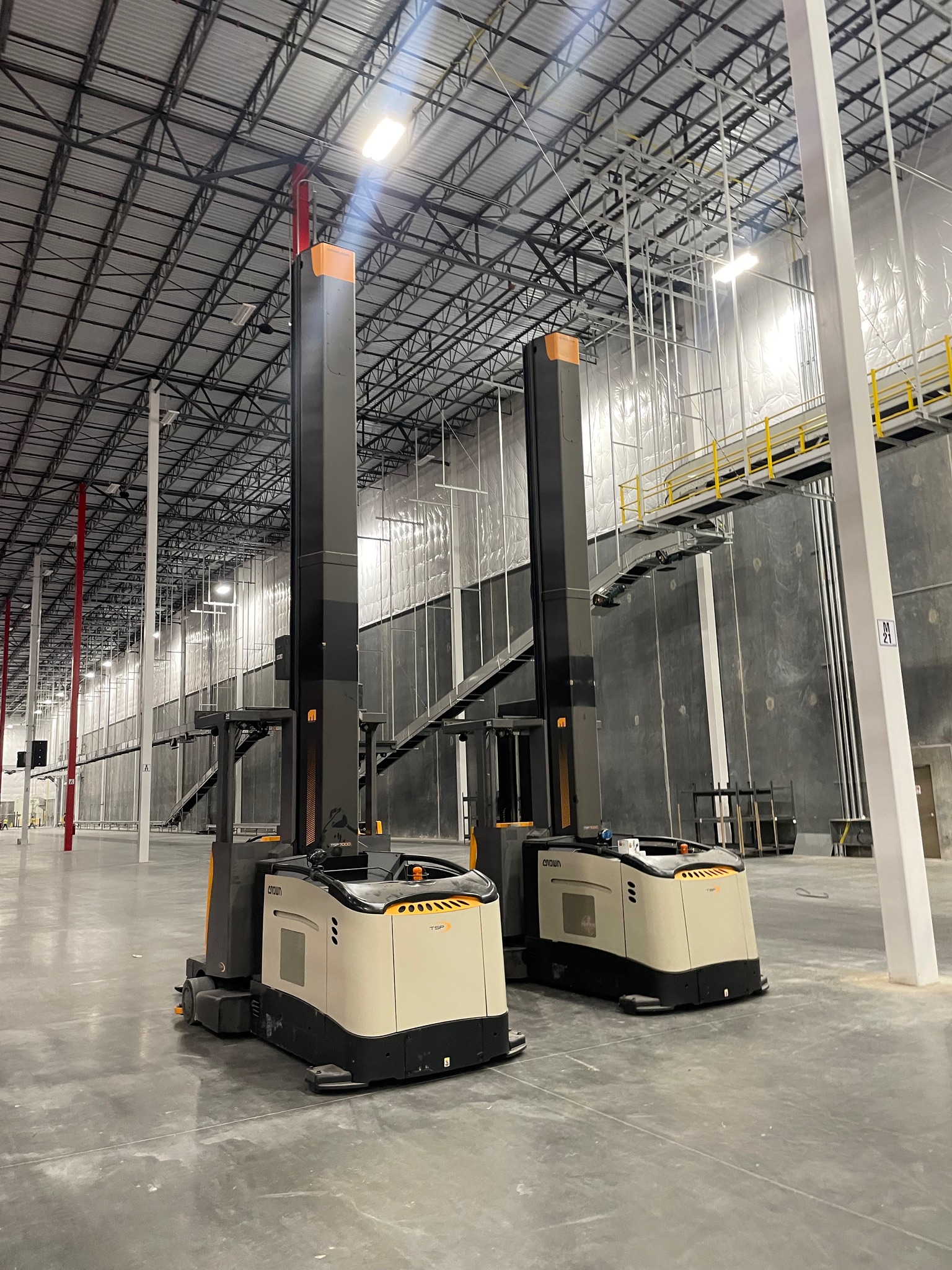
For Defined-Traffic floors, we use the F-min Profiler to measure and calculate F-min values for VNA warehouses and distribution centers. Do Not be fooled by other companies claiming they can measure F-min with a walking or rolling Random-Traffic device. Not only is it non-practical and slow, but it is averaging (guessing) at best since the devices cannot emulate the exact wheel path of a true dual-axis differential profileograph.
The F-Number system is an industry-standard method used to measure and specify the flatness and levelness of concrete floors. It consists of two components: the FF number (Flatness) and the FL number (Levelness). A higher FF number indicates a smoother surface, while a higher FL number represents a more level floor. This system is crucial for ensuring that floors meet specific performance standards, enhancing safety, reducing equipment wear, and optimising operational efficiency.
At ALLFLAT Global Consulting, we use advanced laser-based technology and digital inclinometers to measure the floor’s surface during and after installation. Our expert team carefully analyses the data to ensure the floor meets the specified FF and FL numbers. We are committed to delivering floors that comply with industry standards and exceed our clients’ expectations, ensuring maximum performance and durability.
Facilities that rely on precise operations, such as warehouses, manufacturing plants, retail spaces, and logistics centres, benefit greatly from high FF and FL numbers. Flat and level floors are essential for the safe and efficient movement of materials handling equipment, such as forklifts and automated guided vehicles (AGVs). They also help maintain product stability in storage areas and prevent damage to sensitive equipment.
We use high-quality concrete mixes and advanced placement and finishing techniques to achieve the desired floor flatness and levelness. Our methods may include the use of specialised screeds, surface refinishing tools, and curing compounds to minimise surface variations. Our experienced team is skilled in a variety of methods tailored to meet the specific requirements of each project.
Regular maintenance is key to preserving the flatness and levelness of your floor. We recommend periodic inspections and prompt repair of any surface damage, such as cracks or spalling, which can affect floor performance. Our team can provide a tailored maintenance plan, including cleaning techniques and protective treatments, to help extend the lifespan of your floor and ensure it continues to meet the required standards.
chevron-down